Federal Judge Marcelo Martínez de Giorgi issued the 60-page ruling on October 23 after prosecutor Eduardo Taiano requested that the case be dismissed. The decision also covers Hayden Davis, who described himself as an adviser to the LIBRA launch, crypto lobbyist Mauricio Novelli and KIP Protocol executive Julian Peh.
The ruling substantially reduces Milei’s criminal exposure from the token’s February 2025 collapse. It does not establish that LIBRA’s launch was financially fair or resolve every unanswered question surrounding insider activity. Instead, the court concluded that the evidence gathered was insufficient to turn those events into criminal liability for the 11 people investigated.
Why Did the Judge Reject the Fraud Case?
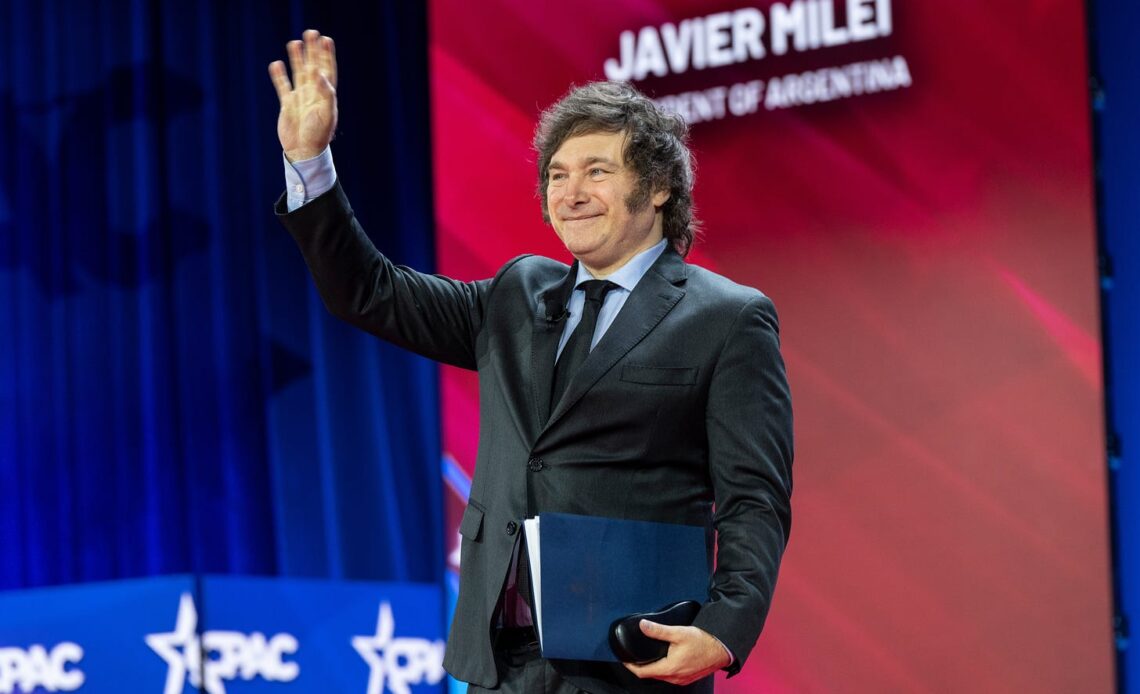
The investigation centered on Milei’s February 14, 2025, X post promoting LIBRA as a private initiative intended to support Argentine businesses. The token rapidly climbed above a $4 billion market capitalization before losing more than 90% of its value within hours.
On-chain analysis subsequently showed that wallets associated with the project withdrew around $100 million as the token collapsed. Earlier investigations into Milei’s role in the LIBRA promotion had already resulted in Argentina’s Anti-Corruption Office clearing the president of public-ethics violations while leaving the federal criminal case open.
Martínez de Giorgi found that Milei’s position as president could have given his promotion exceptional visibility, but concluded that the prominence of a person promoting an asset and the publicity surrounding its launch were not sufficient by themselves to establish fraudulent deception.
The court also considered evidence that appeared more damaging when it first emerged. A note recovered from Novelli’s phone referred to three payments totaling $5 million, an allegation previously examined after forensic investigators recovered the document. However, the investigation could establish that the note existed in Apple Notes but not that it had been sent to Davis or another recipient.
Phone records likewise documented communications between Milei and Novelli around the launch. FinanceFeeds previously reported that Milei and Novelli had multiple calls on the night LIBRA launched, but the contents of those conversations were not established.
Investor Takeaway
The ruling separates suspicious timing or concentrated insider profits from proof of fraud: large losses and rapid cash-outs are not enough without evidence connecting defendants to criminal deception.
What Does the Ruling Mean for Milei?
The decision is broader than the earlier Anti-Corruption Office finding. That review addressed whether Milei violated public-ethics rules when promoting LIBRA from his personal social-media account. The new ruling concerns the federal criminal investigation itself.
None of the 11 people investigated was called to give a formal suspect statement before the dismissal. The judge nevertheless agreed with the prosecutor that the evidence did not establish the required elements of the offenses under investigation.
That conclusion contrasts with the political findings surrounding the project. An Argentine congressional investigative commission previously concluded that Milei had provided “essential collaboration” to LIBRA by giving the project visibility. A congressional finding, however, does not establish criminal liability and applies a different evidentiary and institutional framework from a federal criminal proceeding.
The result also changes the context around earlier assessments of political memecoins. FinanceFeeds noted in September that LIBRA had reached roughly $4.56 billion in market capitalization before collapsing by about 94%, making it one of the most prominent examples of the risks created when political visibility meets highly concentrated token ownership.
Is the LIBRA Criminal Case Completely Over?
The most important remaining issue is procedural. Taiano requested the dismissal and is therefore not expected to appeal it. Meanwhile, investors who had participated in the case as private plaintiffs were removed from the proceeding in July.
An appeals court upheld their removal in September, finding that LIBRA purchasers had voluntarily assumed risks associated with buying the token. That left the criminal case without private plaintiffs able to challenge the October dismissal directly.
The excluded investors are now seeking reinstatement before Argentina’s Federal Criminal Cassation Court. If they recover their status as plaintiffs, they could attempt to appeal Martínez de Giorgi’s ruling. Their challenge had not been resolved when the dismissal was issued, leaving a narrow procedural route through which the case could potentially continue.
Investor Takeaway
Milei’s criminal exposure has fallen sharply, but the dismissal is not the same as resolving every LIBRA dispute. The remaining question is whether excluded investors regain standing to challenge it.
What Does the Decision Leave Unresolved?
The judgment answers the criminal-liability question before Martínez de Giorgi, but it does not establish that every aspect of LIBRA’s launch was benign.
The token still experienced an extraordinary concentration of gains and losses, while investigators documented communications among people involved around the time of Milei’s promotion. The court’s conclusion was that the available evidence did not establish the deception, illicit agreement or other elements necessary for the criminal charges under examination.
That distinction matters for crypto investors. A token collapse can involve severe information asymmetry, concentrated supply and well-timed insider exits without automatically satisfying the elements of criminal fraud against every promoter or participant connected to the project.
For Milei, the October 23 ruling closes the most consequential phase of the Argentine criminal investigation unless the excluded investors can regain standing and successfully challenge the decision. For the crypto market, LIBRA remains a case study in the gap between identifying highly unusual token-launch behavior and proving who, if anyone, bears criminal responsibility for it.