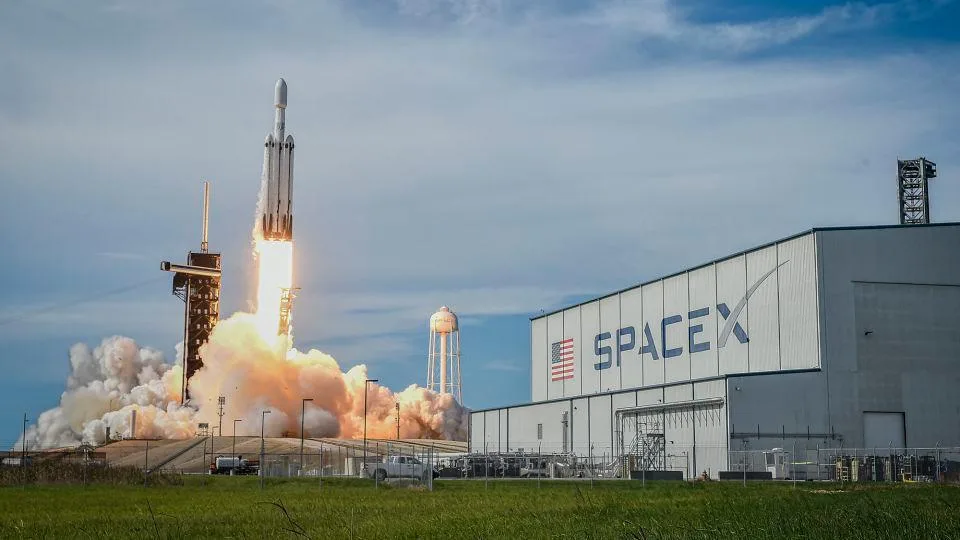
More than $100 billion worth of SpaceX shares officially became eligible for trading on August 6, marking the company’s first major post-initial public offering lock-up expiration and one of the largest insider share releases in US market history. Approximately 911.5 million previously restricted shares can now be sold by eligible employees, executives and early investors following the expiration of the first lock-up period tied to SpaceX’s inaugural quarterly earnings report as a public company. Based on recent market prices, the newly tradable shares are worth roughly $105 billion, although estimates have ranged from $98 billion to $116 billion depending on the stock price used in the calculation.
The unlock follows a volatile week for SpaceX shares. After the company reported its first quarterly earnings as a listed business, the stock fell sharply as investors reacted to higher-than-expected artificial intelligence infrastructure spending. Shares subsequently rebounded, with traders closely watching whether newly eligible insiders would begin selling significant portions of their holdings. Unlike many traditional IPOs, SpaceX’s lock-up structure is staggered rather than releasing all restricted shares simultaneously. The August 6 event allows eligible insiders to sell up to 20% of their restricted holdings, while additional tranches remain subject to future lock-up periods and performance-based conditions.
Largest Share Release Since the IPO
The expiration dramatically increases the number of shares available for public trading. Before the unlock, SpaceX’s public float represented only a small fraction of its total outstanding shares following its June IPO. The addition of more than 900 million shares substantially expands market liquidity, although analysts caution that “eligible to trade” does not mean those shares will necessarily be sold immediately. Many early investors, venture capital firms and employees may continue holding their positions, particularly if they remain optimistic about SpaceX’s long-term growth prospects. Others could choose to diversify after years of holding illiquid private-company stock.
Historically, lock-up expirations have produced mixed outcomes. Some companies experience sharp selling pressure as insiders monetize gains, while others see limited impact if shareholders elect to retain their stakes. Market participants therefore tend to focus less on the number of shares becoming eligible and more on actual insider selling disclosed in subsequent regulatory filings. Analysts have also noted that SpaceX previously conducted employee tender offers while it was privately held, allowing some early shareholders to realize liquidity before the IPO. Those earlier transactions could reduce immediate selling pressure compared with a typical newly public company.
Investors Brace for Increased Volatility
The lock-up expiration arrives at a sensitive moment for SpaceX. The company’s shares remain below their $135 IPO price after retreating from an early post-listing rally. Investors have expressed concern over the pace of AI-related capital expenditure, even as revenue growth remains robust and management continues investing aggressively in launch services, Starlink and artificial intelligence infrastructure.
Despite those near-term concerns, many analysts continue to view SpaceX as one of the strongest long-term growth stories in aerospace and technology, citing its dominant launch business, expanding satellite network and emerging AI initiatives. The lock-up expiration is therefore expected to influence short-term trading dynamics rather than alter the company’s underlying fundamentals. With more than $100 billion in additional stock now eligible for sale, trading volumes and volatility could remain elevated over the coming weeks as investors assess the scale of insider selling.
Attention will also turn to future lock-up milestones later this year, when additional restricted shares may become eligible for trading under SpaceX’s staggered release schedule. Those events could prove equally important in determining how quickly the company’s public float expands following one of the largest IPOs in US market history.