SpaceX shares fell below their $135 IPO price for the first time on Wednesday, marking a psychological break for one of the most closely watched public listings of the year and underscoring growing investor caution toward high-valuation technology debuts.
The stock dropped to just below $133 in midday trading, according to MarketWatch, down about 2.4% on the session. It later recovered some ground, with recent market data showing shares around $135.27. The move still left SpaceX sharply below its post-IPO high. Shares have fallen more than 34% from their June 16 closing peak of $201.80, only weeks after the company began trading publicly.
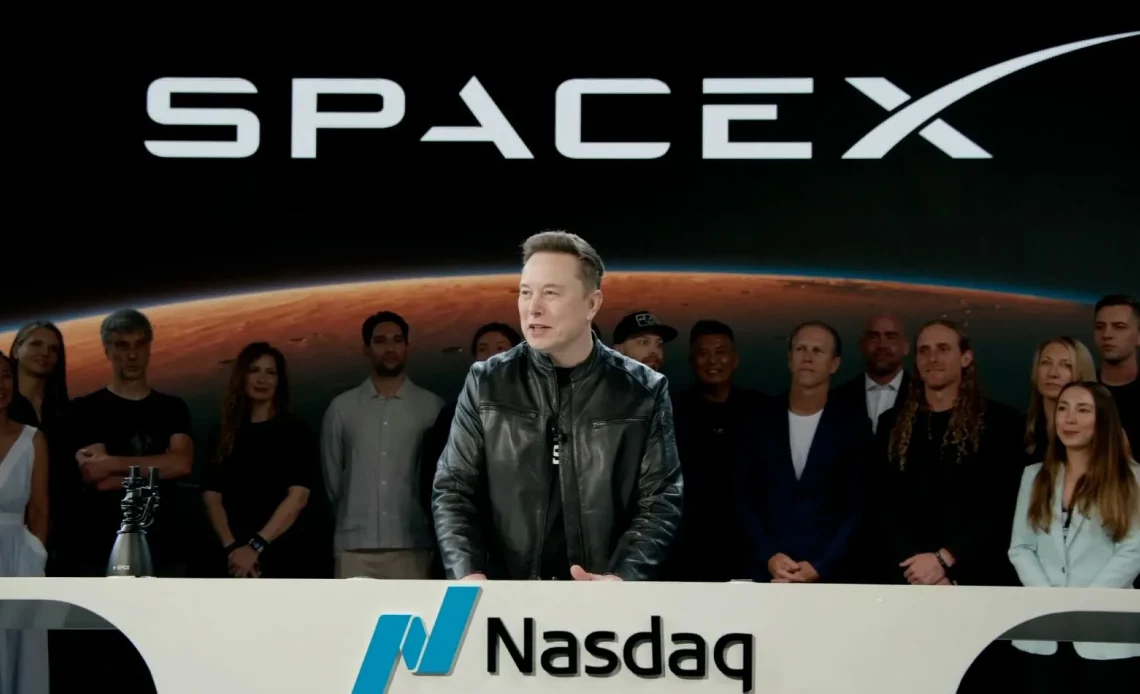
The decline is significant because SpaceX had initially delivered a powerful debut. The company priced its IPO at $135 per share and opened at $150 on June 12, giving investors an immediate gain. Shares then surged to more than $200 as demand from institutional and retail investors pushed the company’s valuation sharply higher. That rally has now largely unwound.
For investors who received IPO allocations, falling below $135 means the position moved underwater for the first time. For public-market buyers who entered at the $150 opening trade or near the June peak, losses are materially larger.
IPO Momentum Fades
The reversal reflects a broader cooling in the IPO market after a strong first-day performance. Newly listed technology companies often trade on scarcity, hype and long-term growth narratives in their early sessions. SpaceX had all three: Elon Musk’s brand, a dominant launch business, Starlink satellite broadband growth and ambitious plans around Starship, Mars and space-based infrastructure.
But the valuation was demanding from the start. Hindustan Times, citing Bloomberg, reported that SpaceX traded at a forward price-to-sales multiple above 30 times, among the highest in the Nasdaq-100. That left little room for disappointment as investors reassessed the company’s spending needs, profitability timeline and execution risk.
SpaceX remains a growth story, but it is also capital-intensive. The company is spending heavily on reusable launch systems, satellite internet, Starship development and long-term space infrastructure. Reports said revenue exceeded $18 billion last year, up more than 30%, while the company still posted a $4.9 billion loss. That combination of rapid growth and heavy losses is common in ambitious technology platforms, but it can become harder to defend when public-market risk appetite weakens.
Lockup Risk Adds Pressure
The next pressure point is supply. MarketWatch noted that some early investors who bought at the IPO price are unable to sell because of lockup restrictions. As those restrictions approach expiration, traders are watching whether additional insider shares could enter the market and weigh on the stock.
That does not mean the fall below the IPO price signals fundamental distress. Analysts remain broadly constructive, with Hindustan Times reporting that more than 80% of covering analysts have Buy ratings and an average price target of $236.25. Major Wall Street firms including Morgan Stanley, JPMorgan and Goldman Sachs have also issued positive views.
Still, the market is forcing a more disciplined debate. SpaceX is no longer trading purely on scarcity and enthusiasm. Investors are now weighing its long-term dominance in launch and satellite infrastructure against valuation, operating losses, dilution risk and the pace of Starship execution.
The break below $135 may not define SpaceX’s long-term trajectory, but it changes the tone of the IPO story. A stock that once looked like an instant post-listing winner is now testing whether public investors are willing to keep paying a premium for Musk’s most ambitious company.