
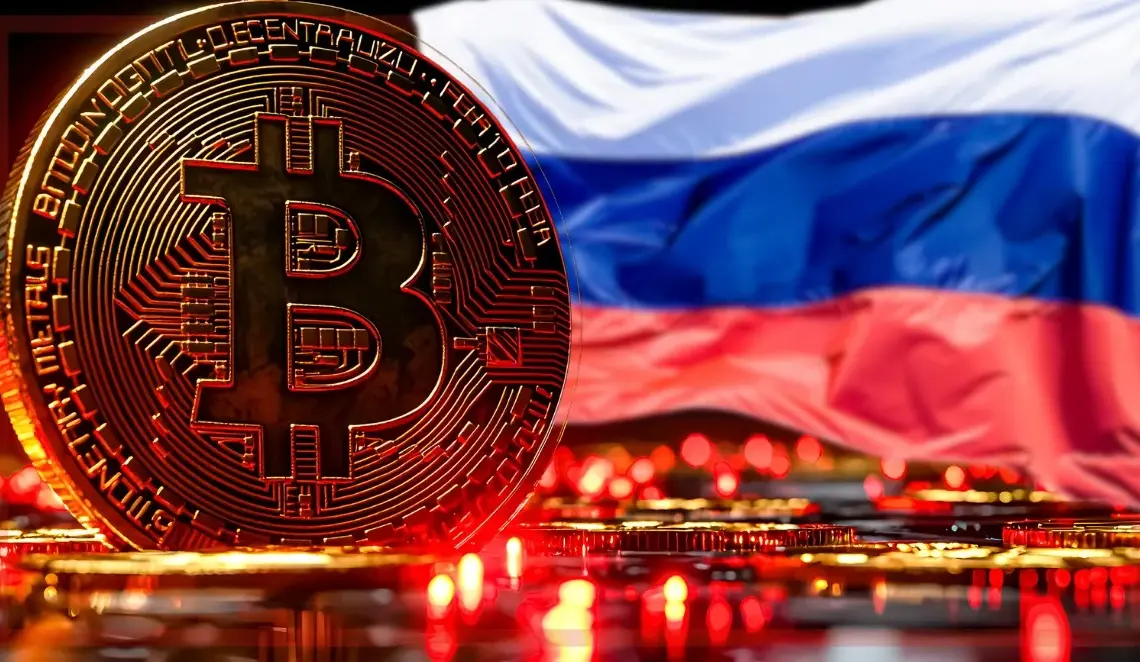
The European Commission has proposed its 22nd sanctions package against Russia, targeting approximately 60 Russian banks, cryptocurrency platforms and international payment networks as the European Union intensifies efforts to restrict Moscow’s access to global financial services. Announcing the measures on November 23, European Commission President Ursula von der Leyen said the proposals would expand existing transaction bans to around 60 Russian banks, with those institutions also facing removal from the SWIFT international financial messaging system. The package additionally targets cryptocurrency and payment networks allegedly used to circumvent Western sanctions, including operators based outside Russia. The Commission has established a Crypto Sanctions Task Force to coordinate enforcement and identify financial channels facilitating restricted transactions.
The proposed measures represent another expansion of the EU’s financial restrictions following Russia’s full-scale invasion of Ukraine in February 2022. However, the package still requires unanimous approval from EU member states before becoming legally binding.
EU Expands Restrictions on Crypto Platforms and Banking Networks
The proposed sanctions would extend existing restrictions on Russian banks while strengthening oversight of cryptocurrency services and alternative payment arrangements used to facilitate cross-border transfers. According to von der Leyen, the Commission intends to target financial intermediaries operating both within Russia and in third countries that help Russian entities bypass EU sanctions. The approach reflects growing concerns among European authorities that sanctioned institutions can continue accessing international markets through cryptocurrency platforms, intermediaries and alternative settlement networks. The Commission has not publicly identified every cryptocurrency platform targeted by the latest proposal, making it premature to determine precisely which businesses would face additional restrictions.
The measures build on the EU’s 21st sanctions package, adopted in July 2026, which introduced transaction restrictions against 14 cryptocurrency-related service platforms operating across jurisdictions including Georgia, Panama, the United Arab Emirates, Kyrgyzstan, Belarus and the Marshall Islands. That earlier package also established a mechanism allowing the EU to prohibit transactions involving cryptocurrency service providers in third countries where those businesses facilitate Russian sanctions evasion. The latest initiative seeks to strengthen enforcement through the newly created Crypto Sanctions Task Force, potentially increasing scrutiny of cryptocurrency exchanges, payment processors and cross-border settlement services. For affected businesses, the implications could include tighter compliance checks, restrictions on counterparties and reduced access to European financial infrastructure.
Sanctions Package Also Targets Energy, Shipping and Russian Institutions
Beyond financial services, the Commission is proposing additional restrictions targeting Russia’s energy infrastructure and maritime transportation networks. The measures would expand prohibitions on European companies providing services related to constructing, operating or repairing Russian energy infrastructure, including oil refineries. The proposed restrictions would also cover electricity services for the first time, while more than 70 additional vessels associated with Russia’s shadow fleet would face sanctions. Other proposals include prohibiting tankers insured in Russia, restricting European participation in Russian corporate governing bodies and tightening visa requirements for Russian former combatants.
The Commission has also proposed restrictions affecting Russian participation in European sporting and cultural activities. For cryptocurrency markets, the proposal highlights the EU’s increasing focus on digital-asset infrastructure as a potential channel for sanctions circumvention. While the restrictions are directed at specified financial activities and service providers rather than cryptocurrency ownership generally, implementation could increase regulatory obligations for exchanges and intermediaries maintaining exposure to Russian counterparties. The final scope will depend on negotiations among EU member states and the publication of the adopted legal provisions. Until those measures receive formal approval, the announced restrictions remain proposals rather than additional sanctions already in force.