
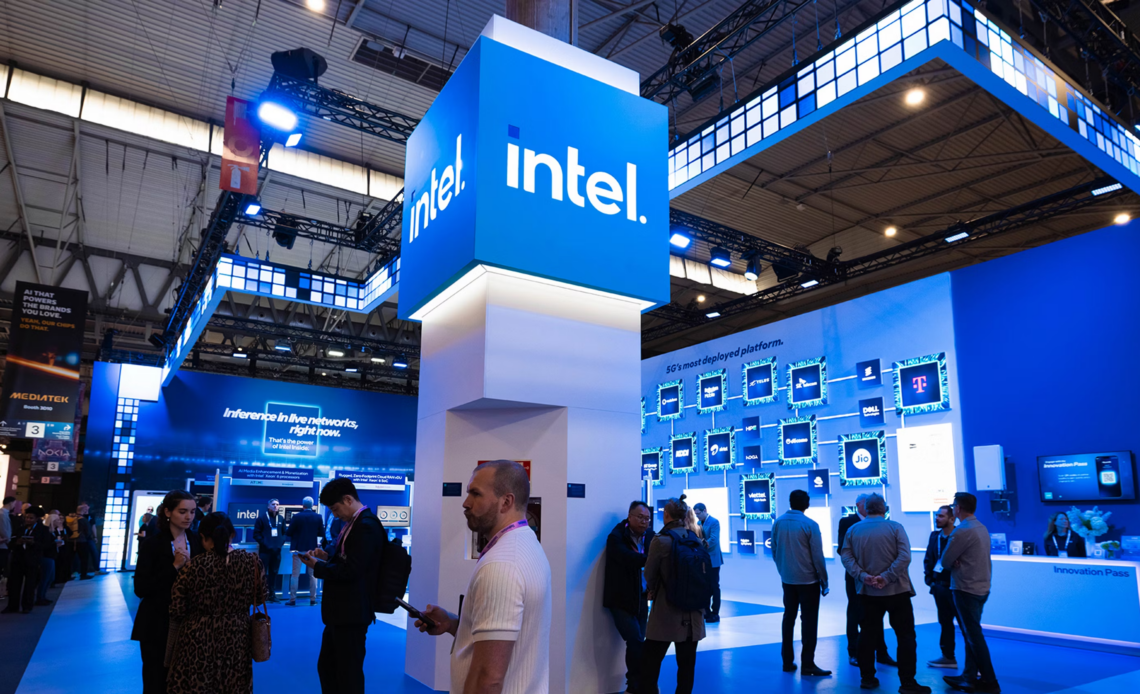
Intel CEO Lip-bu Tan and his Broadcom counterpart Hock Tan have sounded the alarm over the biggest near-term concern that could derail the artificial intelligence boom.
The massive investment in artificial intelligence has been described as one of the biggest bets in American industry, with billions of dollars flowing into data centers, advanced chips and computing infrastructure.
The boom has created enormous opportunities for some of the biggest technology companies, including chipmakers Intel and Broadcom, as businesses race to build the infrastructure needed to power AI.
However, questions are beginning to emerge over how long the investment wave can continue at its current pace. The CEOs of two of the biggest chipmakers have now pointed to a key factor that could determine the future of the AI boom.
Capital challenge
Speaking at the DBS Asia Future Forward Conference in Singapore on Monday, Broadcom CEO Hock Tan said financing could become the biggest constraint on the industry’s growth.
″The biggest constraint is capital,” Hock Tan said.
AI companies have been committing massive amounts of money to building data centers and computing capacity, betting that demand will continue to rise sharply.
However, concerns remain over whether these investments will generate the returns that companies and their investors are expecting.
Intel CEO Lip-Bu Tan shared similar concerns, highlighting both the cost of financing and the need to demonstrate returns over the longer term.
Expert View
If there’s any challenge in the front, it’s capital and the cost of capital, and then the other part is in the longer run, people want to see the ROI.
The enormous demand for chips and storage capacity has also pushed up prices, adding to the cost of expanding AI infrastructure.
Combined with rising borrowing costs, this could make it more difficult for companies to sustain their spending plans.
Growth to continue in the near term
Despite these concerns, both CEOs believe the near-term outlook for the industry remains strong.
Intel’s Tan expects the outlook to remain favorable over the next two to three years, with no significant slowdown in sight.
However, sustaining that growth beyond the next few years will depend on the pace of adoption and if the promised economic benefits follow, the executives said.
Broadcom’s Tan also cautioned that the technology will have to continue to improve otherwise the demand for computing infrastructure could slow down.
Borrowing money is getting costlier
Rising borrowing costs could add a massive hurdle for AI companies looking to finance their expansion.
US Treasury yields have remained near their highest levels in more than two decades.
The benchmark 10-year Treasury yield has been above the 5% mark since mid-September and currently trades at 5.24%, slightly below its recent 24-year highs. The 30-year Treasury yield has also cooled slightly but remains high at 5.60%.
With borrowing costs remaining elevated, AI companies looking to raise money may have to offer investors higher returns to attract financing.
The scale of the industry’s infrastructure ambitions means companies will need continued access to substantial amounts of capital. If debt costs remain high for an extended period, financing could become a growing constraint on new projects.
The post Intel, Broadcom CEOs reveal biggest risk that could derail AI boom appeared first on Invezz