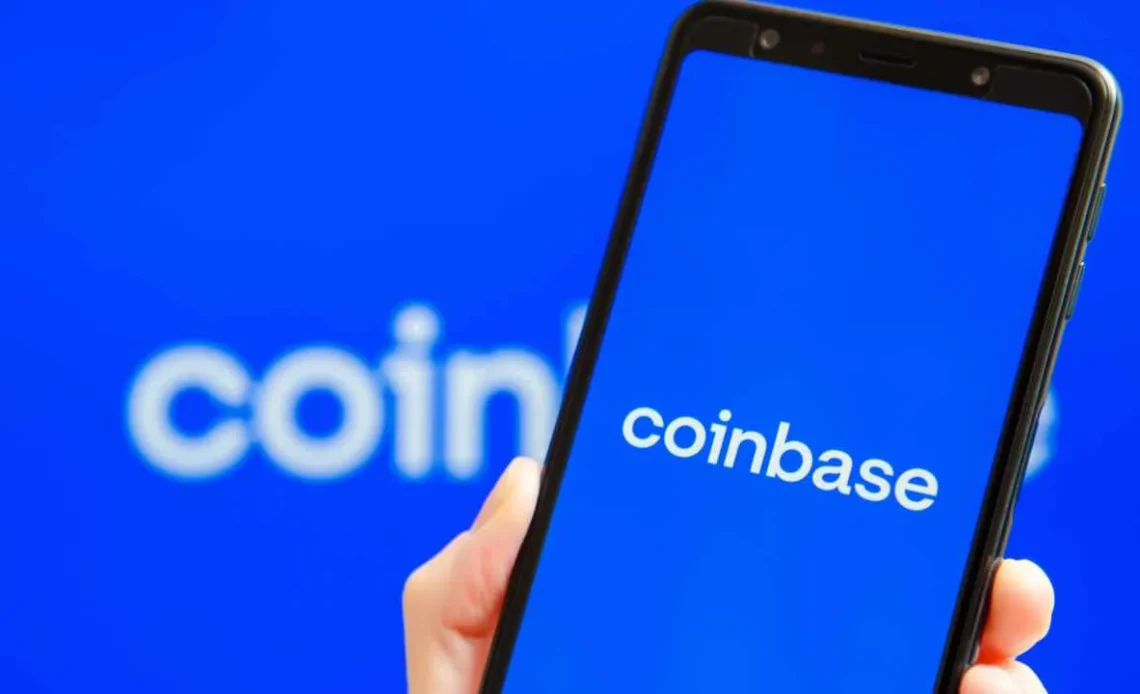
Coinbase has received regulatory approval in Abu Dhabi to establish an international hub for tokenized securities, giving one of the world’s largest cryptocurrency exchanges a regulated base from which it plans to bring traditional financial assets onto blockchain networks. The Financial Services Regulatory Authority of Abu Dhabi Global Market has granted Coinbase a Financial Services Permission allowing the company to arrange investment deals and provide custody for tokenized securities. Coinbase described the authorization as the foundation of its international tokenization hub and one of its most significant steps toward integrating conventional capital markets with blockchain infrastructure.
The structure is designed to go substantially further than many existing tokenized-stock products. Securities issued and registered through the Abu Dhabi framework will be fully backed by underlying shares under FSRA supervision. Verified token holders will receive shareholder rights, including dividends and, subject to certain restrictions, voting rights. Instead of requiring a conventional brokerage account and correspondent banking relationship, investors will ultimately be able to hold the securities through compatible blockchain wallets.
Tokenized Shares Will Represent the Underlying Stock
The legal structure of Coinbase’s proposed products is particularly important. Many crypto platforms have offered synthetic or wrapped versions of stocks that provide price exposure without necessarily giving token holders direct shareholder rights. Coinbase’s Abu Dhabi model is intended to create regulated digital securities backed by actual underlying shares. The company says the securities will simultaneously function as regulated financial instruments and blockchain-native assets. That means they could retain the legal protections associated with conventional securities while gaining characteristics normally associated with crypto assets, including wallet portability and potential interoperability with decentralized finance. Apple is being used as an early demonstration of the system. Coinbase has issued what it describes as its first tokenized-security certificate representing Apple shares, providing a practical example of how conventional equities could be transformed into regulated blockchain assets.
The broader ambition is considerably larger. Coinbase estimates that roughly 4 billion people globally lack meaningful access to capital markets. By replacing portions of the traditional brokerage infrastructure with blockchain wallets, the company believes tokenization can reduce geographic and operational barriers to investing. The model will not eliminate regulatory controls. Coinbase says every transfer will remain subject to ongoing sanctions screening. Assets can also be frozen or seized at the wallet level when legally required, demonstrating how the company intends to combine blockchain portability with regulated financial-market controls.
Abu Dhabi Becomes Coinbase’s Tokenization Base
ADGM introduced a comprehensive virtual-asset framework years before many major financial jurisdictions and has increasingly positioned itself as a center for tokenization, stablecoins and institutional blockchain infrastructure. Coinbase’s new hub adds another major component to its expanding presence in the United Arab Emirates. The company already operates a derivatives business from Dubai. Abu Dhabi will now become the center for its international tokenized-securities strategy, effectively giving Coinbase two separate UAE hubs serving different parts of its broader “everything exchange” ambitions. The Abu Dhabi initiative also builds on Coinbase’s earlier tokenization work through Project Diamond, its institutional platform for issuing and managing digitally native assets.
NYSE is separately developing an onchain platform supporting tokenized stocks and ETFs, while DTCC, major banks and asset managers are experimenting with blockchain-based issuance and settlement. Coinbase approaches the opportunity from the opposite direction. Rather than taking an existing securities exchange and adding blockchain settlement, it is taking cryptocurrency infrastructure—wallets, custody and onchain transferability—and extending it into traditional securities. Global equities represent more than $100 trillion in assets, while bonds, funds, commodities and other securities expand the addressable universe considerably further.
Moving even a small percentage of those assets onto blockchain networks could create a market far larger than today’s crypto-native tokenization sector. Tokenization also offers potential structural advantages. Blockchain-based securities can theoretically settle more quickly, support fractional ownership, move outside conventional banking hours and interact programmatically with other onchain assets. A tokenized share could eventually be transferred between wallets, posted as collateral or integrated into decentralized financial applications while remaining a legally recognized security. Liquidity must develop across tokenized markets, different blockchain systems need to become interoperable, and regulators must determine how conventional rules surrounding market manipulation, custody, disclosures and shareholder rights operate when securities move through wallets rather than traditional brokerage accounts. It does, however, provide something the tokenized-equity market has often lacked: a regulated jurisdiction, a major global exchange, custody infrastructure and legally backed securities operating within the same framework The company increasingly wants to become an exchange for financial assets generally—crypto, derivatives, equities and eventually a much broader universe of tokenized investments. Abu Dhabi will now serve as one of the principal testing grounds for whether that vision can work at global scale.